
Hypercholestolemia-Diet Management
Manage High Cholesterol with Hypercholestolemia-Diet Management
Managing high cholesterol levels is essential for long-term cardiovascular health. Hypercholestolemia-Diet Management focuses on adopting eating habits that help control LDL (bad cholesterol) while supporting HDL (good cholesterol) levels. Alongside lifestyle adjustments, a structured diet plan can significantly reduce the risk of heart disease, stroke, and other cholesterol-related complications.
Understanding Hypercholesterolemia
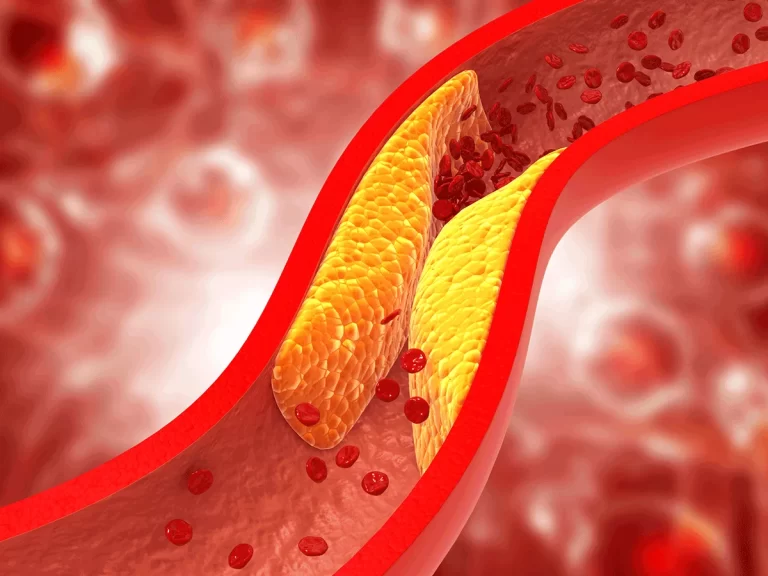
Hypercholesterolemia occurs when the blood contains high levels of cholesterol, particularly LDL cholesterol. Excess LDL can deposit in the arteries, forming plaques that restrict blood flow and increase the risk of cardiovascular events. Elevated triglycerides can further increase this risk. High cholesterol often develops due to a combination of genetic factors, dietary habits, and lifestyle choices.
Even individuals with a healthy weight can develop hypercholesterolemia. Diets high in saturated fats, trans fats, and refined sugars, combined with low physical activity, contribute significantly to cholesterol imbalances. Early intervention through Diet Management is essential to prevent long-term complications.
The Role of Diet in Cholesterol Control
A well-planned diet is a cornerstone of effective Hypercholestolemia-Diet Management. The goal is not only to reduce LDL levels but also to maintain or increase HDL cholesterol. Key strategies include:
1. Reducing Saturated and Trans Fats
Limit fatty meats, full-fat dairy products, and fried foods. Trans fats, found in many processed snacks and baked goods, raise LDL cholesterol and lower HDL cholesterol.
2. Increasing Fiber Intake
Foods high in soluble fiber, such as oats, barley, legumes, fruits, and vegetables, help reduce cholesterol absorption in the bloodstream. Regular consumption of fiber-rich foods supports lipid management and overall digestive health.
3. Including Healthy Fats
Incorporate sources of omega-3 fatty acids such as fatty fish (salmon, mackerel), flaxseeds, chia seeds, and walnuts. Healthy fats support heart health and help maintain balanced cholesterol levels.
4. Emphasizing Plant-Based Options
A diet rich in vegetables, fruits, whole grains, and plant-based proteins aids cholesterol control and supports weight management. Plant sterols and stanols, naturally present in these foods, can help reduce LDL cholesterol.
5. Limiting Sugar and Refined Carbs
High sugar intake can elevate triglycerides and contribute to metabolic imbalances. Opting for whole grains, fresh fruits, and minimally processed foods is recommended.
Lifestyle Measures to Support Diet
Alongside dietary adjustments, regular physical activity and weight management are crucial in Hypercholestolemia-Diet Management. Exercise helps increase HDL cholesterol, reduce triglycerides, and improve overall cardiovascular health. Even moderate activities like brisk walking, cycling, or swimming for 30 minutes a day can make a significant difference.
Managing stress, avoiding smoking, and limiting alcohol intake are additional measures that support healthy cholesterol levels.
Personalized Guidance
Structured Diet Management in Amanora offers personalized plans tailored to individual cholesterol profiles and lifestyle habits. Nutritionists evaluate lipid levels, dietary preferences, and activity patterns to create practical plans that support heart health while fitting daily routines.
Monitoring and Regular Checkups
Effective hypercholesterolemia management requires regular monitoring of cholesterol and triglyceride levels. Blood tests help track LDL, HDL, and triglyceride levels, allowing dietary and lifestyle plans to be adjusted as needed. Consistent follow-ups ensure long-term success and reduce the risk of cardiovascular complications.
Benefits of Hypercholestolemia-Diet Management
- Supports healthy cholesterol balance
- Reduces the risk of heart disease, stroke, and arterial blockages
- Encourages sustainable eating habits
- Improves overall well-being and energy levels
- Assists in weight management and metabolic health
Conclusion
Hypercholestolemia-Diet Management emphasizes a balanced, heart-friendly approach to eating, combined with lifestyle modifications. By focusing on nutrient-rich foods, healthy fats, fiber, and regular physical activity, individuals can manage cholesterol levels effectively. Professional guidance ensures that each plan is personalized, practical, and sustainable. Regular monitoring, combined with consistent dietary and lifestyle changes, forms the foundation for long-term cardiovascular health.
Why Choose The Daily Derma Clinic ?
HERE IS WHY CHOOSE US,
- CUSTOMISED PLANNING.
- 360 DEGREE APPROACH
- FREQUENT FOLLOW UPS
- FEASIBLE PLANS
- BALANCED DIET AND NUTRITION IS GIVEN
- NO STRAVING.
- SCIENTIFIC APPROACH OF PLANNING.
- EASY TO FOLLOW.
LOOKING FOR WEIGHT LOSS DIET PLANS OR NUTITIONAL PLANS FOR DISORDER MANAGEMENT,DON’T HESITATE TO CALL US ON +917030546906.