Hair fall Treatment in amanora
Hair Fall Treatment in Amanora for Healthier Scalp and Hair Strength
Hair fall is a concern that affects many individuals at different stages of life. Stress, lifestyle changes, nutritional gaps, hormonal fluctuations, genetics, and environmental factors can gradually weaken the hair roots, leading to noticeable thinning or shedding. For some, the concern is temporary and manageable with adjustments, while for others, it may require structured care or professional techniques.
People often explore Hair fall Treatment in Amanora to understand what steps, methods, and supportive options are available. This service page aims to provide clear information about the condition, how assessment works, and what supportive treatments might be recommended based on individual needs.
Understanding Why Hair Fall Happens
Hair fall is not always caused by a single issue. Many internal and external elements contribute to how hair grows, sheds, and responds to changes. Recognizing the root cause is the first step toward identifying a suitable plan.
Common Causes of Hair Fall
- Stress and Lifestyle: Busy routines, anxiety, irregular sleep, and emotional stress can shift the hair cycle into a shedding phase.
- Nutritional Deficiencies: Lack of iron, vitamin D, protein, biotin, and other micronutrients can weaken hair structure.
- Hormonal Imbalance: Thyroid conditions, postpartum changes, and PCOS may contribute to increased hair loss.
- Genetics: Family history plays a role in patterned hair loss for both men and women.
- Scalp Health Issues: Dandruff, fungal infections, and psoriasis may hinder growth.
- Environmental Impact: Hard water, pollution, heat, and harsh styling chemicals damage hair over time.
Understanding which factors are involved helps decide whether lifestyle changes, home remedies, or supportive treatments are necessary.
Signs That Hair Fall Needs Attention
Not all shedding requires intervention, as the natural growth cycle includes daily fall. However, the following indicators may suggest further evaluation:
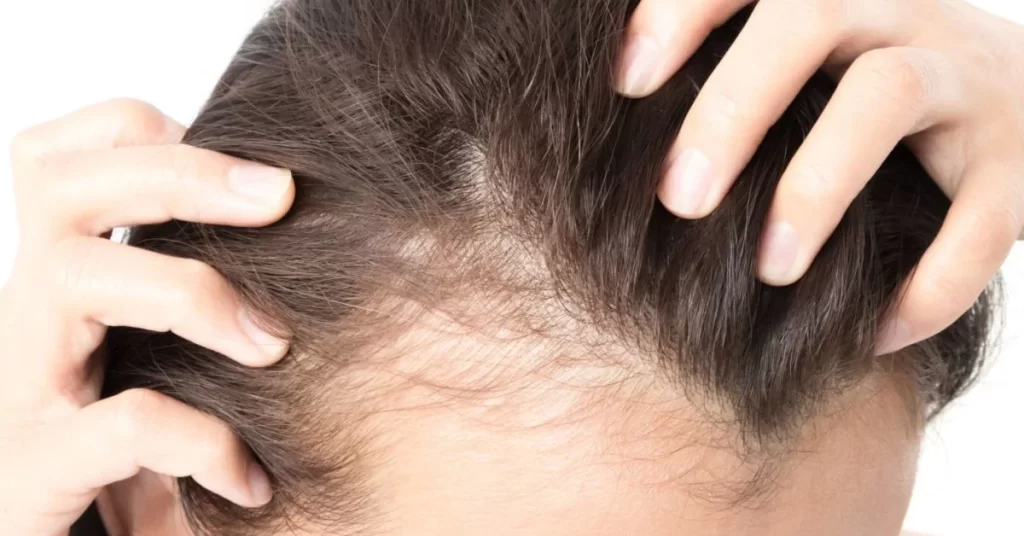
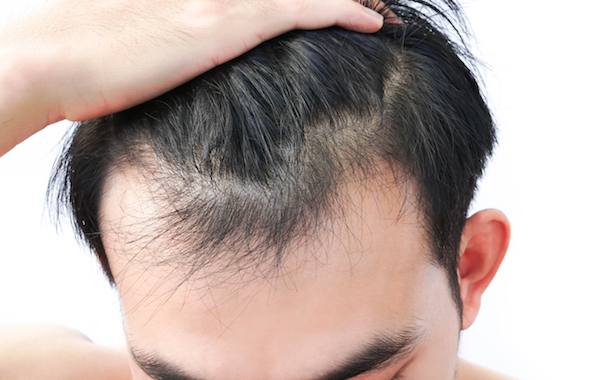
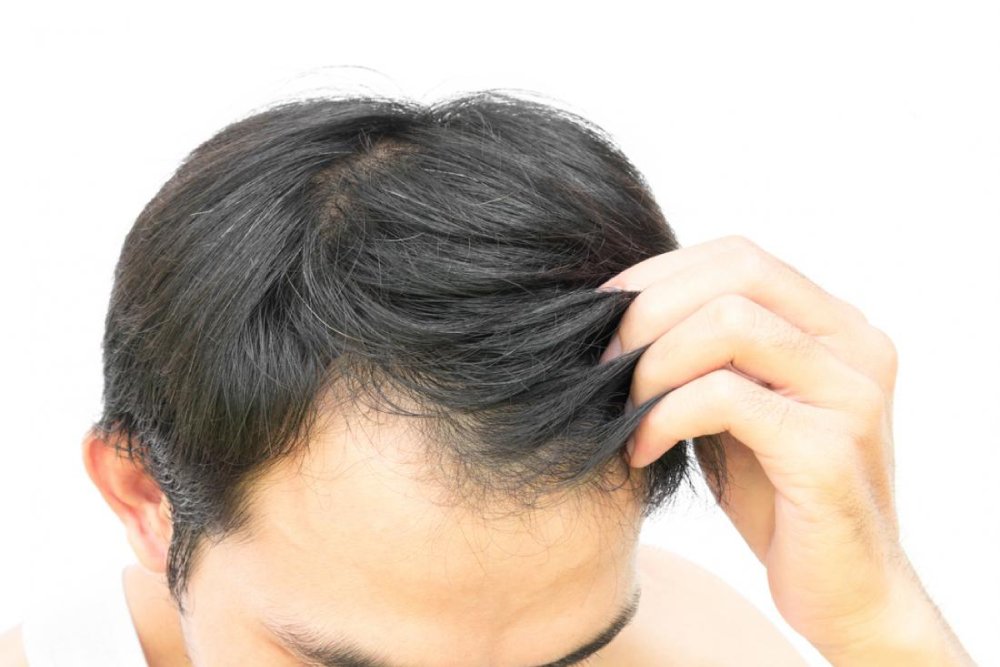
- Thinning areas around the crown or forehead
- Hair widening at the partition line
- Increased hair in the shower drain or pillow
- Loss of volume and density
- Reduced regrowth after shedding
- Excessive breakage while brushing or styling
If these issues persist, exploring hair treatment in Amanora may help create a structured approach to support hair health.
Assessment and Consultation – What Usually Happens
A typical consultation focuses on identifying contributing factors and achievable expectations. The process may include:
1.Scalp and Hair Analysis
Visual inspection of scalp condition, hair density, texture, and pattern of fall.
2. Medical and Lifestyle History
Understanding stress levels, sleep cycle, dietary habits, medical history, and family background.
3. Diagnostic Recommendations
In some cases, blood tests for vitamin deficiencies, thyroid imbalance, or hormonal changes may be suggested.
This structured assessment helps determine whether non-invasive treatments, topical therapies, or lifestyle corrections may be appropriate.
Expected Timeline and Realistic Results
Hair restoration is a gradual process. No treatment guarantees instant results, and patience is essential. Typical expectations include:
- Initial improvement in hair texture: 3–6 weeks
- Reduced shedding: 8–12 weeks
- Noticeable regrowth (if applicable): 3–6 months
- Optimal outcomes: 6–12 months with consistency
Genetics, age, hormonal balance, and lifestyle influence the pace of progress.
When to Consult a Specialist
It may be useful to seek consultation if any of the following apply:
- Sudden, unexplained heavy shedding
- Visible bald patches
- Hair falling out in circular clumps
- Pain, itching, or bleeding on the scalp
- Persistent thinning despite lifestyle changes
Early assessment supports better outcomes and reduces stress related to uncertainty.
Available Treatments At The Daily Derma Clinic
Derma Pen
Derma Pen
Dermapen procedures stimulate angiogenesis (creation of new blood vessels) nourishing the bulb of each hair, delivering hormones to activate and sustain healthy hair growth.
TDD Hair Grow +
TDD Hair Grow +
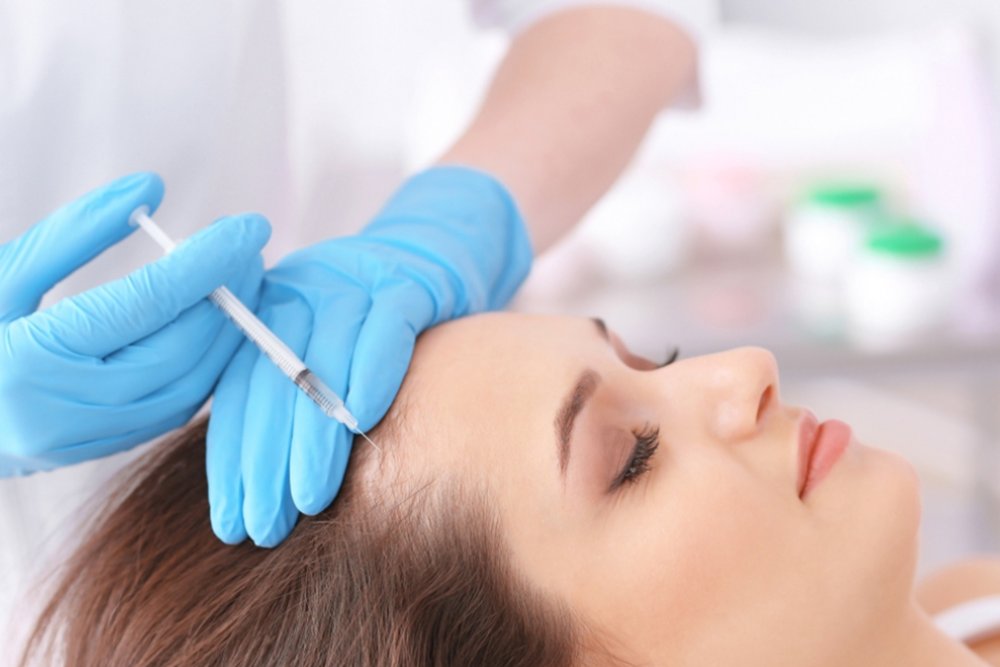
IN Hair grow+ treatment DHT blocker along with a mixture of vitamins and minerals booster is injected into the scalp to stimulate hair growth and get new hair. This treatment helps in providing blood circulation to dormant and weak hair follicles.
Derma Roller
Derma Roller
It helps with stimulating hair growth as it can causes tiny passages, that allow hair vitamins to penetrate through the scalp better.
Hair PRP
Hair PRP
The idea is that injecting PRP into damaged tissues will stimulate your body to grow new HAIR, healthy cells and promote healing.
FAQ's
Telogen effluvium does not generally lead to complete baldness, although you may lose 300 to 500 hairs per day, and hair may appear thin, especially at the crown and temples. A medical event or condition, such as a thyroid imbalance, childbirth, surgery, or a fever, typically triggers this type of hair loss.
With telogen effluvium, it is common for hair to grow back within 3 to 6 months after the cause has been dealt with. Sometimes, the rate of shedding slows down but does not stop entirely.
Telogen Effluvium will start 2 to 4 months after a triggering event. The hair will start to shed longer than the normal shedding cycle and you will notice more hair loss than normal. However, if you have resolved the root cause of the trigger, this excessive shredding should only last up to 6 months.
Final Thoughts
Hair fall is a common issue, and acknowledging it early can provide clarity and direction. With the right assessment, structured care, and consistent habits, individuals can work toward healthier hair, improved density, and better scalp health.
Understanding available options, setting realistic expectations, and choosing suitable methods based on personal needs are key steps in the journey. Whether someone is exploring supportive home care or more structured techniques, Hair fall Treatment in Amanora can be an accessible choice for guidance and clarity.