Platelet-Rich Plasma Treatment for Hair and Scalp Support
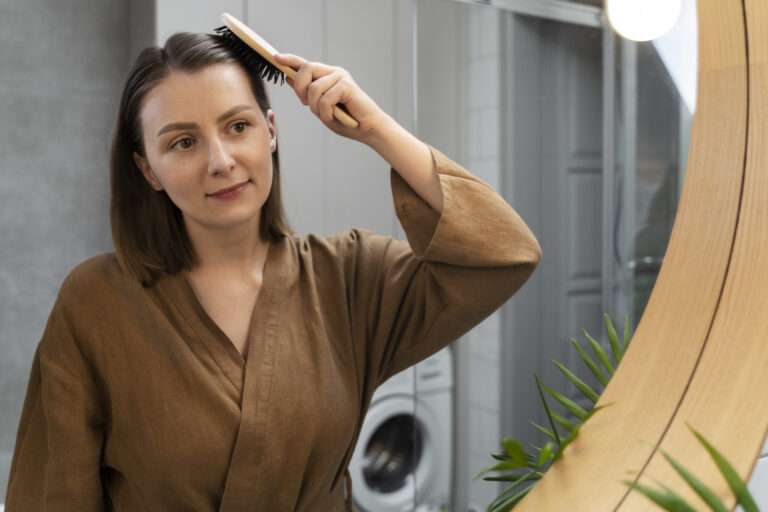
Hair thinning or shedding can feel overwhelming, especially when strands appear on pillows, combs, and bathroom drains more frequently. Hair cycles through natural growth and shedding phases, but when the balance is disrupted, individuals may explore options like Hair Grow Treatment to support healthier hair density and strength.
This approach focuses on understanding scalp condition, follicle nutrition, and biome balance rather than rushing into quick solutions. For some, it becomes a way to gain clarity and direction while working through changes in hair texture, volume, and root stability.
Understanding the Basics — What Is PRP?
Platelet-rich plasma treatment involves extracting a small amount of blood, processing it to separate platelet concentration, and preparing it for application to the scalp. Platelets are known to carry growth factors that may encourage cellular activity and circulation.
Internal influences
Hormonal fluctuations at any age
Iron or protein deficiency
Stress and sleep imbalance
Postpartum or post-illness recovery
External influences
Frequent chemical styling
Harsh products stripping natural oils
Hard water mineral buildup
Tight hairstyles causing tension
When combined, these factors may disrupt the growth cycle, leading some to consider specialized hair treatment solutions.
How Hair Grow Treatment Works Step-by-Step
The goal of Hair Grow Treatment is to stimulate and support follicles, create a healthier scalp environment, and encourage new strands through balanced care.
1. Assessment and observation
Rather than relying on a single probable cause, multiple elements are reviewed—lifestyle habits, sleep quality, medical history, and haircare routine.
2. Scalp condition mapping
Dryness, oil imbalance, dandruff buildup, or sensitivity can affect how follicles receive nourishment and oxygen. Mapping helps identify care directions.
3. Supporting follicle activity
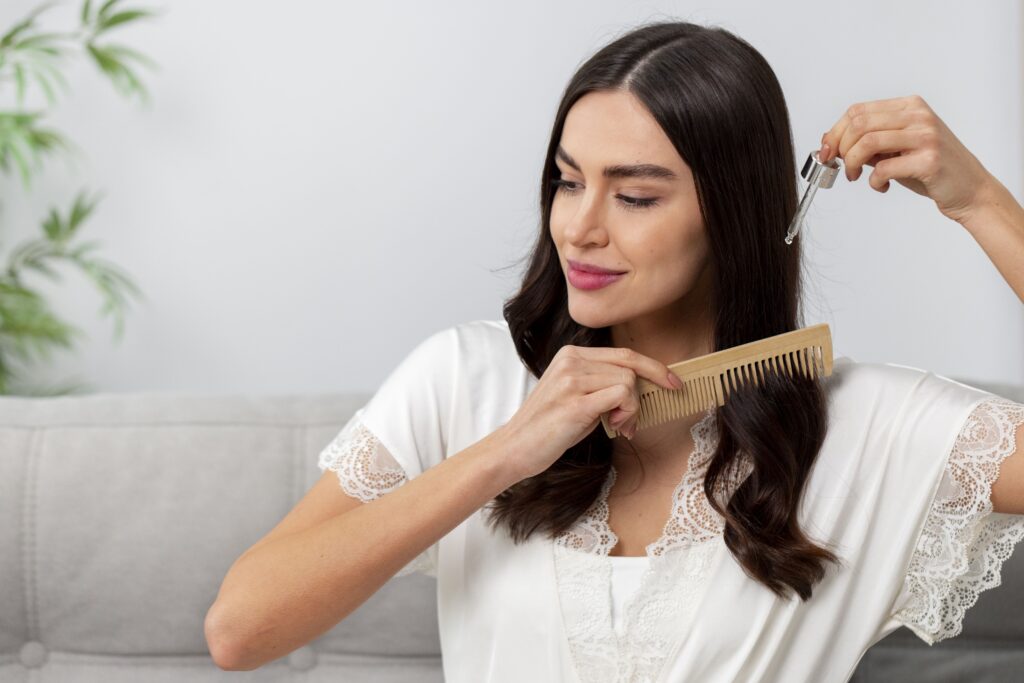
Methods like topical serums, gentle exfoliation, PRP therapy, mesotherapy, or low-level laser stimulation may be considered based on suitability and comfort level.
How Platelet-Rich Plasma Treatment Works Step-by-Step
While processes may vary depending on practitioner preference, the general outline remains consistent. Each stage focuses on safety, suitability, and correct application.
Step 1 — Assessment
An evaluation of scalp, medical background, and current hair status helps determine whether PRP aligns with the individual’s goals and condition.
Step 2 — Plasma Processing
Blood is drawn and placed into a centrifuge, where components are separated to create platelet-rich plasma.
Step 3 — Scalp Application
PRP is applied or injected into targeted areas of the scalp where hair thinning is noticeable or where improvement is desired.
Step 4 — Follow-up Sessions
Several sessions may be recommended over a period of months because follicles require time to respond to biological signals.
What Individuals Hope to Gain
Platelet-rich plasma treatment isn’t a guarantee, but it is considered a supportive pathway for those who want to participate actively in their hair recovery. As part of a broader hair treatment approach, it may offer:
Potential benefits
Encouraged follicle function and activity
Improved circulation in applied areas
Support for thinning regions on scalp
Strengthened roots for better strand retention
Gradual improvement in visible density
Results are influenced by consistency, biology, and lifestyle factors. Many individuals start noticing changes gradually rather than instantly.
Combining PRP With Other Support Measures
Some people choose to pair Platelet-rich plasma treatment with additional measures for a more rounded approach to hair wellness. These may include:
Topical applications
Serums, peptides, or medicated lotions based on scalp needs.
Nutritional guidance
Adjustments to protein, hydration, and mineral intake.
Gentle home routines
Scalp massage, mild shampoo selection, and reduced heat tools.
PRP often functions best when paired with a lifestyle that respects hair’s biological pace.
Who Might Consider PRP?
There is no single profile for eligibility, but individuals with any of the following concerns often research the option:
Gradual thinning at the crown or partition
Receding hairline starting to become visible
Patchy or uneven density
Shedding after stressful life phases
Post-illness or seasonal hair fall cycles
Loss of volume despite routine care
A consultation may help determine whether PRP aligns with current hair and health conditions.
Emotional Considerations
Hair changes can create self-consciousness, especially when they happen unexpectedly. Many people express feeling uncertain, frustrated, or impatient while seeking solutions. Recognizing the emotional weight of hair loss is an important part of building a supportive care plan. Treatments like PRP are not just about appearance; they can represent an effort to regain control and confidence.
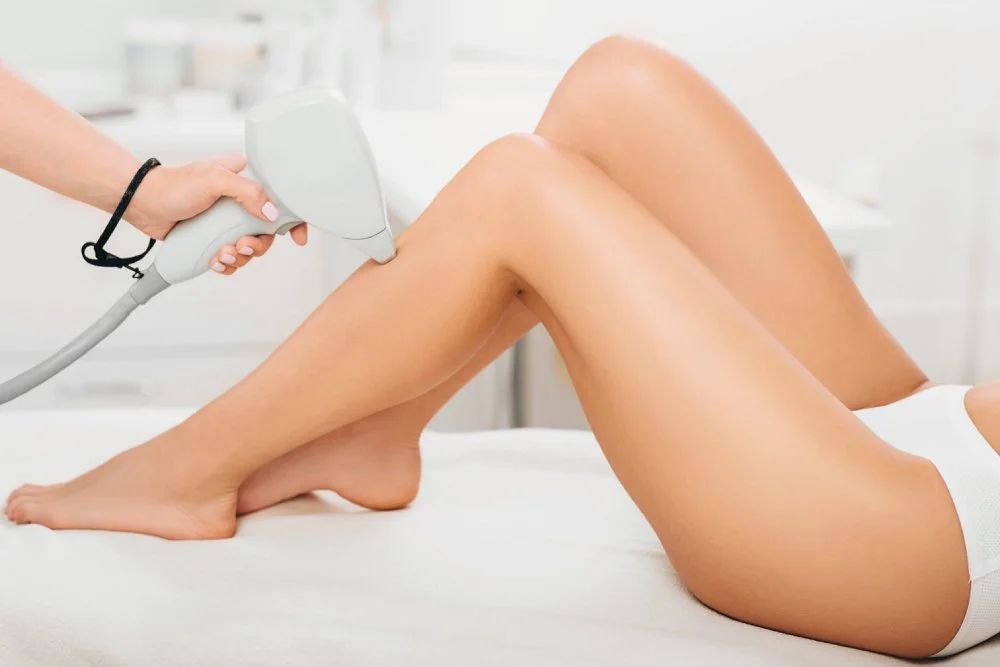
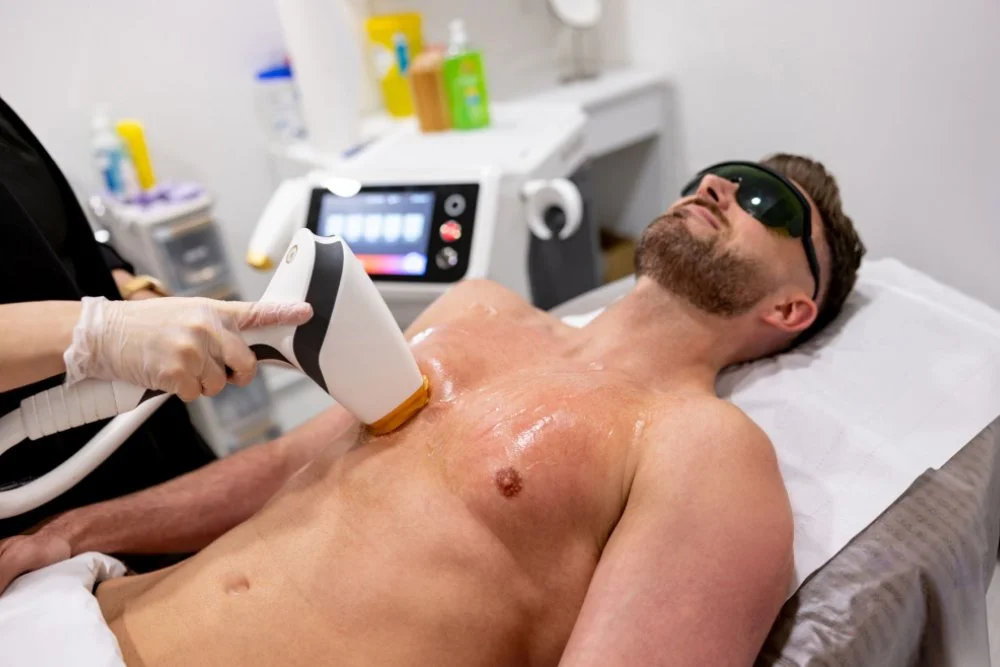
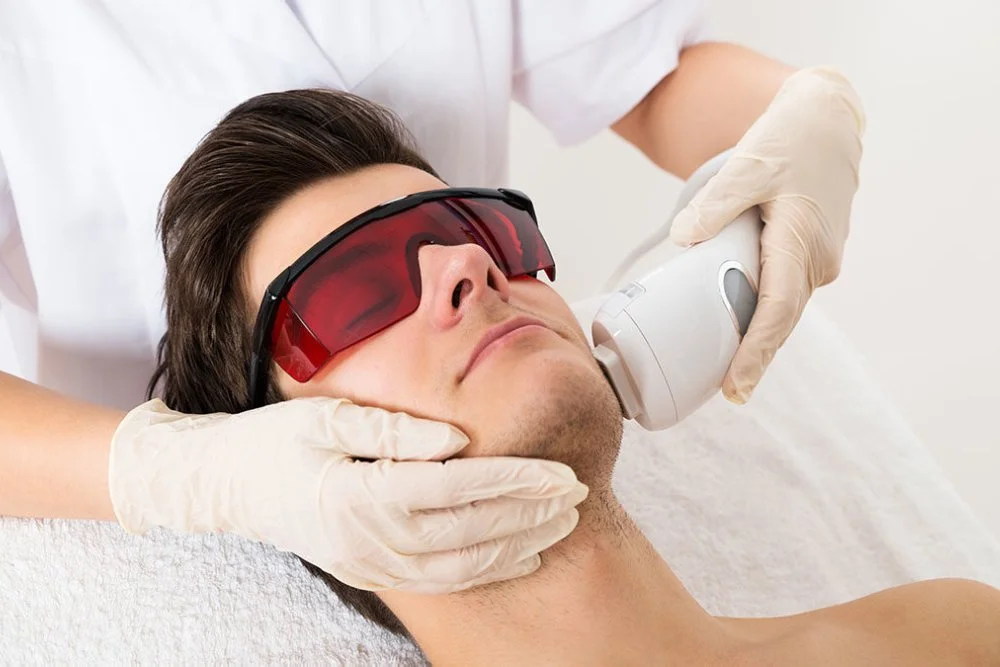
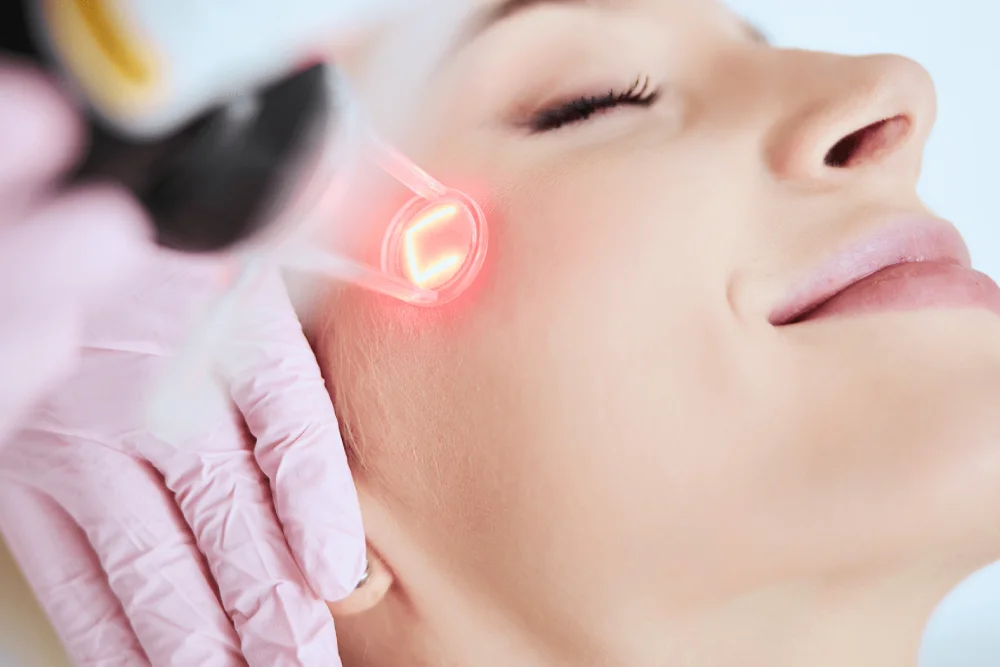
Laser emits light of specific wavelength which absorbs melanin pigment present in hair and damages the hair follicles which are responsible for hair growth, with the help of heat energy. Hence, the further hair growth is reduced.
THE DAILY DERMA’S Laser probe has sapphire contact cooling technology which maintains the temperature properly and avoids burns. Laser targets hair follicles so there are no chances of other harm.
We can start doing the laser laser reduction for male and females above 18 years of age.
Final Thoughts
In the world of scalp and hair treatment, Platelet-rich plasma treatment offers a pathway that relies on the body’s own biology. It works gradually, aligning with natural growth cycles and focusing on follicle support.
Choosing this method is often less about a miracle fix and more about engaging in a structured, evidence-supported process that may offer meaningful improvements over time.