Hair Grow Treatment for Thinning, Shedding, and Weak Follicles
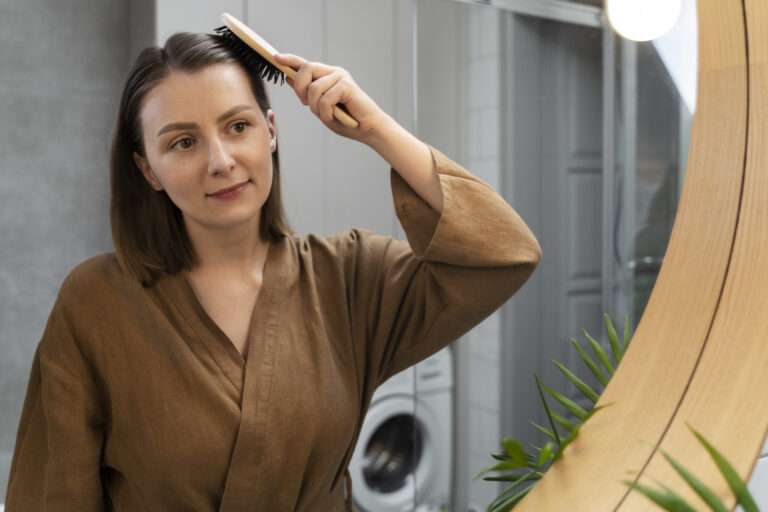
Hair thinning or shedding can feel overwhelming, especially when strands appear on pillows, combs, and bathroom drains more frequently. Hair cycles through natural growth and shedding phases, but when the balance is disrupted, individuals may explore options like Hair Grow Treatment to support healthier hair density and strength.
This approach focuses on understanding scalp condition, follicle nutrition, and biome balance rather than rushing into quick solutions. For some, it becomes a way to gain clarity and direction while working through changes in hair texture, volume, and root stability.
Why Hair Growth Slows Down Over Time
Hair growth is controlled by hormones known as androgens. These hormones are present in both men and women. When the body produces more androgens than usual, it can cause thick or noticeable hair to grow in areas where fine hair would normally be. This often becomes a common reason for unwanted facial or body hair.
Common internal factors
Nutritional gaps such as vitamin or iron deficiency
High stress impacting blood circulation and sleep quality
External influences
Hard water affecting scalp hydration
Tight hairstyles causing traction on follicles
Dry climate or humidity causing frizz and breakage
Understanding the influence of these factors creates a foundation for planning Hair Grow Treatment in a way that feels realistic and consistent.
How Hair Grow Treatment Works Step-by-Step
The goal of Hair Grow Treatment is to stimulate and support follicles, create a healthier scalp environment, and encourage new strands through balanced care.
1. Assessment and observation
Rather than relying on a single probable cause, multiple elements are reviewed—lifestyle habits, sleep quality, medical history, and haircare routine.
2. Scalp condition mapping
Dryness, oil imbalance, dandruff buildup, or sensitivity can affect how follicles receive nourishment and oxygen. Mapping helps identify care directions.
3. Supporting follicle activity
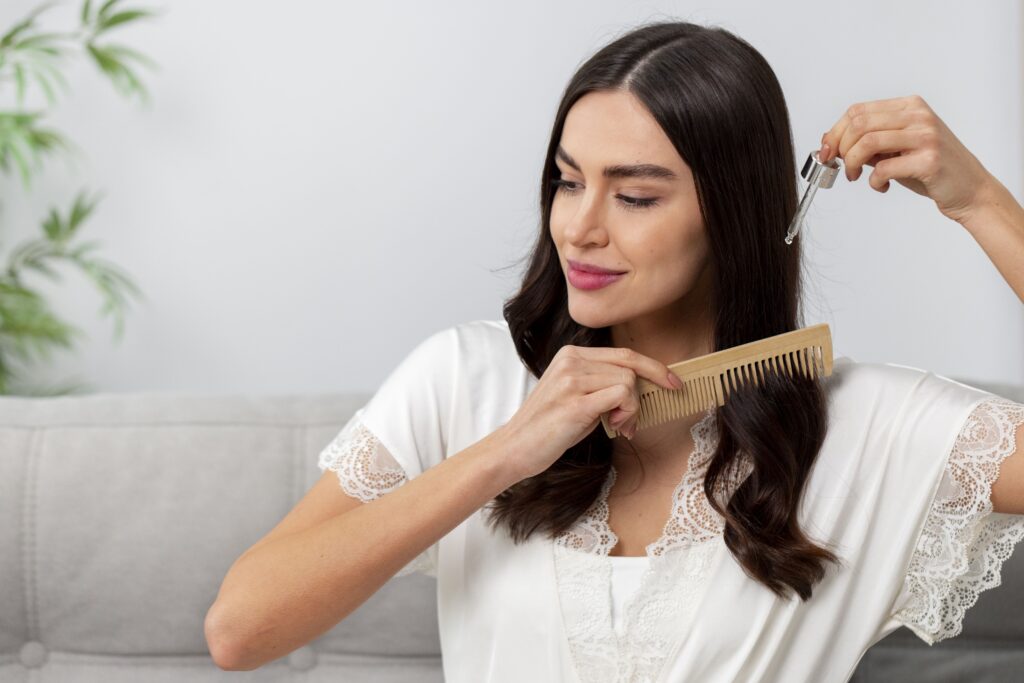
Methods like topical serums, gentle exfoliation, PRP therapy, mesotherapy, or low-level laser stimulation may be considered based on suitability and comfort level.
Benefits of Maintaining a Structured Routine
A consistent plan makes Hair Grow Treatment feel less confusing. Each step builds toward healthier strands and a more resilient scalp foundation.
Possible benefits include
Encouraged blood flow to hair follicles
Reduced frequency of breakage and split endsImproved nourishment through targeted care
Increased awareness of personal hair needs
Potential improvement in volume and texture over time
Clearer understanding of realistic results
These outcomes vary depending on lifestyle, genetics, and the severity of initial hair concerns, making patience an important part of the journey.
Connection Between Hair Growth and Daily Habits
Home care habits often influence how well treatments respond. Small adjustments can reinforce the process without being overwhelming.
Supportive home practices
Choose mild shampoos with balanced pH levels
Include proteins and healthy fats in meals
Massage scalp gently to stimulate circulation
Avoid hot water during hair wash routines
Reduce unnecessary heat styling tools
Dry hair naturally when possible
When hair treatment in Amanora is combined with these steps, it may feel easier to maintain progress between sessions.
Exploring Hair Treatment in Amanora for Continued Support
Some individuals choose hair treatment in Amanora if they prefer personalized guidance with scalp evaluations, haircare mapping, or supportive therapies. Combining these approaches with Hair Grow Treatment may help address regions where hair is thinner, textured differently, or experiencing slower growth.
This combined perspective encourages care that prioritizes long-term improvement rather than short-lived fixes.
When to Consider Hair Grow Treatment
There is no perfect moment to start; readiness often comes when the changes feel noticeable enough to seek clarity.
Situations where treatment may be helpful
Sudden or gradual hair thinning
Patchy reduction near hairline or crown
Long-term dandruff or scalp inflammation
Reduced strand thickness and firmness
Difficulty maintaining length due to breakage
Emotional frustration caused by visible changes
If these experiences have been ongoing, gaining insight from structured options may feel reassuring.
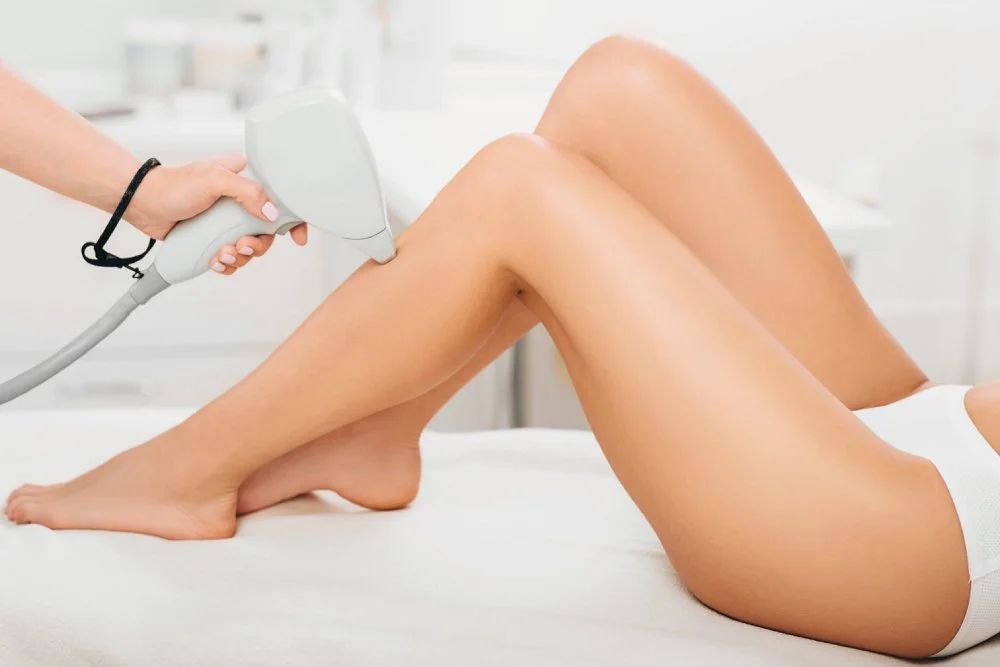
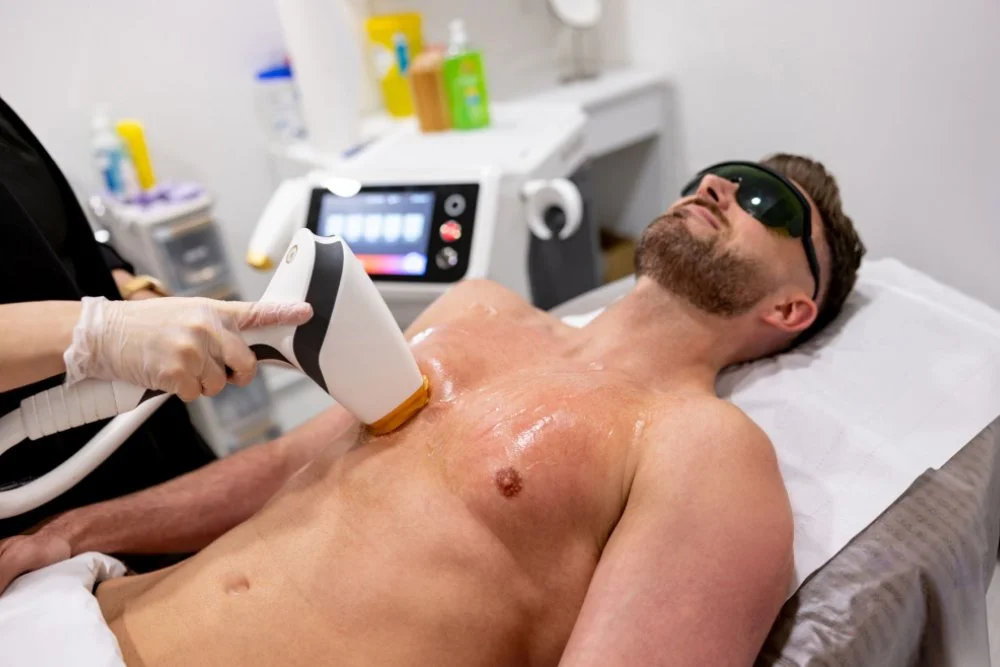
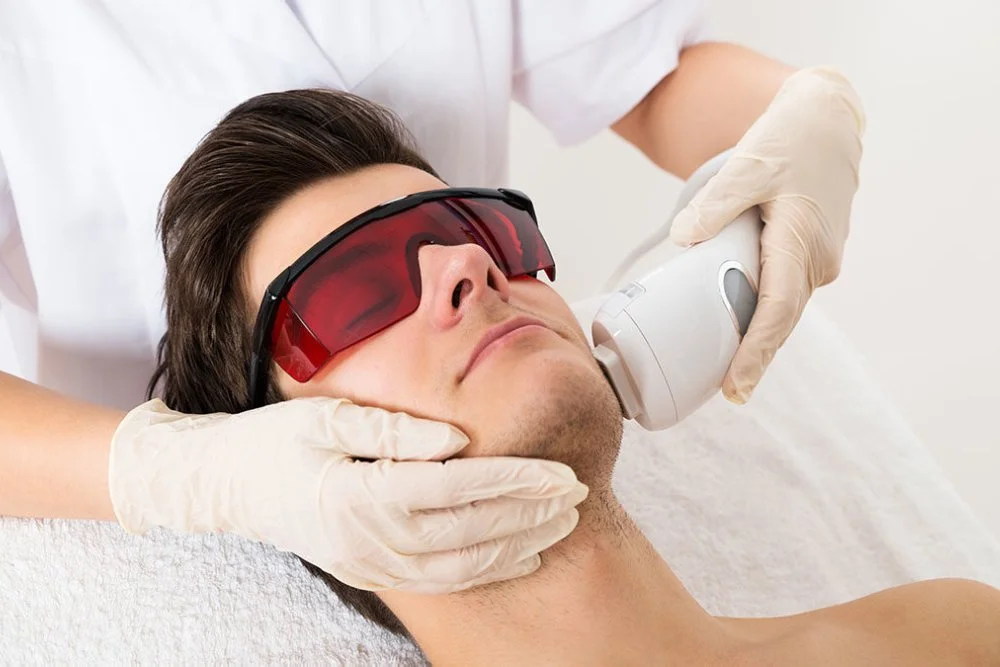
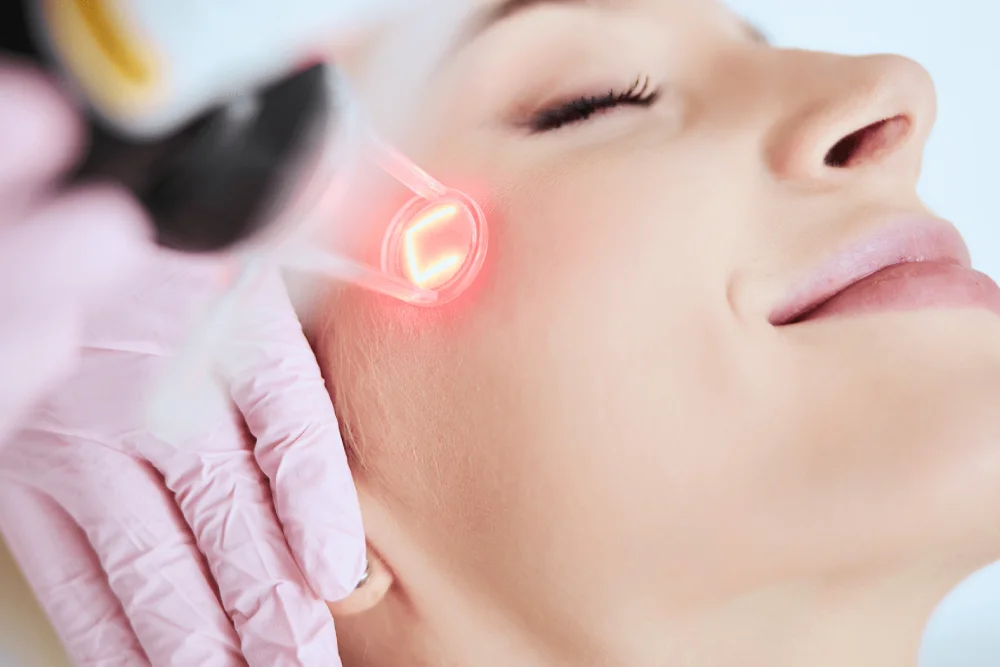
Laser emits light of specific wavelength which absorbs melanin pigment present in hair and damages the hair follicles which are responsible for hair growth, with the help of heat energy. Hence, the further hair growth is reduced.
THE DAILY DERMA’S Laser probe has sapphire contact cooling technology which maintains the temperature properly and avoids burns. Laser targets hair follicles so there are no chances of other harm.
We can start doing the laser laser reduction for male and females above 18 years of age.
Final Thoughts
Hair Grow Treatment isn’t a shortcut or a guaranteed outcome. It is a journey involving scalp health, nutrition, consistency, and mindful intervention. The process respects the biological pace of hair while aiming to give follicles a fair environment to grow. Pairing this approach with hair treatment in Amanora may create a well-rounded plan that supports both internal and external contributors to hair strength. With gradual changes, individuals often feel encouraged to stay consistent and observe long-term improvement rather than temporary relief.